

МЭДЭЭ
Development trend of hydrofluoroether environmental protection fluorination solution
Hydrofluoroether (HFE) is a general name of ether compounds with heteroatoms such as oxygen atoms in molecules. The value of ODP is zero and the value of GWP is lower. The atmospheric residence time is very short,and the VOC is zero. Above all it is considered to be a new and ideal substitute for CFC-113. In addition to its excellent environmental properties, hydrofluoroether is non corrosive, non combustible and does not produce smoke and dust. It is easy to store and transport and has incomparable advantages over other substitutes. Electronic fluorinated liquid is a colorless, transparent, tasteless, non-toxic and thermally stable perfluorinated liquid suitable for ultrasonic cleaning machine.It is the most widely used immersion coolant at present. As a chemical solvent, electronic fluorinated liquid has good chemical inertia, thermal conductivity, volatility and electrical insulation properties. It is often used as electronic test liquid, electronic cleaning agent, electronic coolant and electronic drying agent in the fields of semiconductors, precision electronic devices, aerospace and medical treatment. With the large-scale application of lithium batteries, it is particularly important to develop reliable electrolyte and deeply understand its mechanism. Due to the low solvation characteristics, hydrofluoroether (HFE) has been widely used as electrolyte co solvent. It can increase the redox stability of electrolyte, reduce the viscosity of electrolyte and build the local concentration of electrolyte. In recent years, with the development of electronic technology, the integration of electronic products has become higher and higher. In order to ensure the quality of electronic products, enterprises pay more attention to the cleaning of electronic products. In the early electronic industry, CF is usually used for cleaning but it is banned because it will cause greenhouse effect. CF substitutes such as trichloroethylene (TCE), hydrochlorofluorocarbon (HCFC-141b) and n-bromopropane (NPB) are still easy to cause environmental pollution so it can only be used as a transitional alternative cleaning solvent. Electronic fluorinated liquid will not cause any corrosion when it comes into contact with electronic components. At the same time, electronic fluorinated liquid also has the advantages of safety, non toxicity, convenient use and moderate cost which meets the escalating environmental protection needs of the electronic manufacturing industry. Electronic fluorinated liquid is expected to become a substitute for traditional harmful detergent, and the industry has a broad development space in the future. Quzhou Dongye Chemical Technology Co., Ltd. is a scientific and technological R & D intelligent manufacturing enterprise focusing on electronic fluorine fine chemicals and advanced polymer materials. The company's hydrofluoroether products such as hfe-dy147, hfe-dy7500 and hfo-dy7700 all can meet the environmental protection needs of precision electronic manufacturing industry.
Hydrofluoroether is mainly used in precision cleaning fluids for precision electronics, optical components
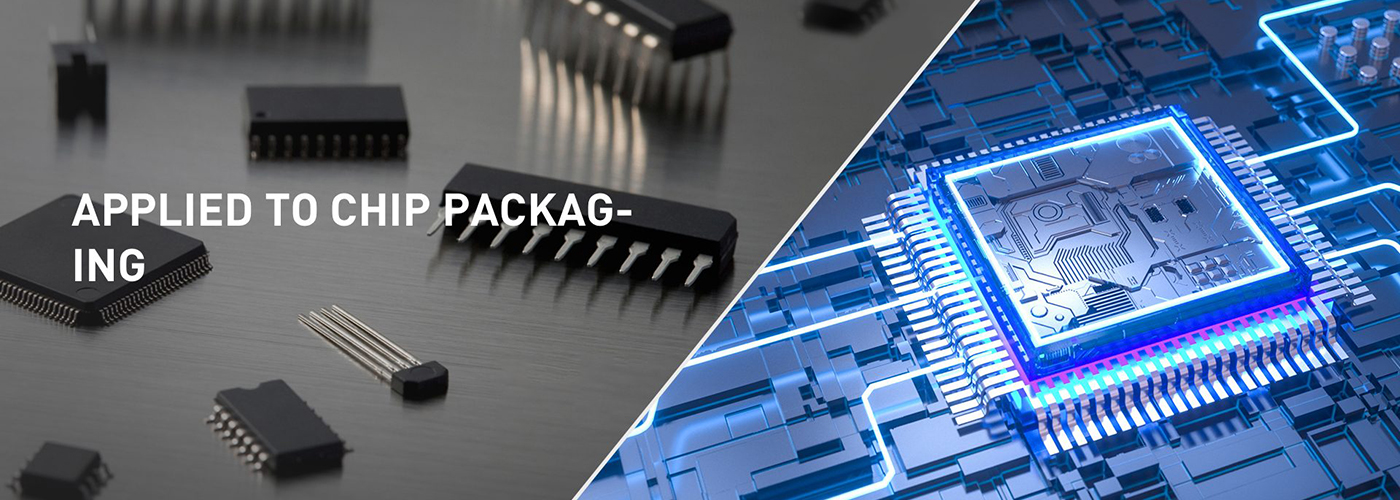
On November 9, 2020, the 18th China Semiconductor Packaging and Testing Technology and Market Annual Conference was grandly opened in Tianshui City, Gansu Province, China. Quzhou Dongye Chemical Technology
In view of the current development of IDC industry
In view of the current development of IDC industry, focusing on the future development trend, our company upholds the concept of sustainable development, and constantly strengthen the research of electronic liquid cooling technology. Recently, the research on DYHFE-7500, a fluorinated coolant used in electronic products, has achieved remarkable results. Product characteristics and advantages 1)Non-combustible, flash-free, high safety, to ensure ; 2)Ozone depletion potential ODP is 0 and global warming potential factor GWP is 1 (CO2=1,100yrs),environmental protection, reduce the burden; 3)Good electrical insulation, excellent thermal conductivity, unique low surface pressure, low viscosity, is an excellent heat transmission ; 4)Good chemical inertness, good material compatible, even with sensitive electronic components will not cause harm. Product application 1)Suitable for single-phase; 2) As the current mainstream semiconductor, liquid crystal manufacturing process etching, ion injection, packaging testing and other electronic manufacturing equipment ; 3) As a direct and indirect cooling solution for supercomputers and cloud computing server ; 4) As the industry GROSS LEAK leak detection, hot and cold shock test THEMAL SHOCK, insulation test, high temperature aging test and other widely used engineering liquids.
Uses of heptafluorodecyltriethoxysilane
Uses of heptafluorodecyltriethoxysilane: 1)Coating for electronic products; 2)Used for self-cleaning of glass and other products, the low refractive index of fluorosilane can make the substrate have the effect of preventing light reflection; 3)Water and oil repellent treatment of glass or fiber surface. How to use heptafluorodecyltriethoxysilane: 1)Please use acid or alkali catalyst for surface treatment. 2)The fluorosilane can be diluted into 1-2% isopropanol solution. 3)Please use protective gloves and protective glasses when using. 4)Please use it in a well-ventilated environment.
Reactivity of Tridecafluorooctyltriethoxysilane
Reactivity of Tridecafluorooctyltriethoxysilane: This product is a bifunctional compound. The siloxy functional group releases low molecular alcohol after hydrolysis, the resulting active silanol can chemically bond with hydroxyl, carboxyl and oxygen-containing groups in many inorganic and organic substrates. The inert low surface energy group can make the treated substrate have extremely low surface energy and poor wettability. Permeability of tridecafluorooctyltriethoxysilane: With suitable solvent dilution and operation methods, its molecules can penetrate into the hard, porous inorganic structure substrate for several millimeters, so as to achieve deep and long-term hydrophobic and antifouling protection.
Tridecafluorooctyltriethoxysilane can be effectively applied to a large number of commercial fields, such as
Tridecafluorooctyltriethoxysilane can be effectively applied to a large number of commercial fields, such as: Waterproof, antifouling and weatherproof protection treatment of cultural relics and masonry; Waterproof spots, white flowers and weathering treatment of concrete products; Waterproof, antifouling and anti-halogen treatment of magnesium oxide and magnesia mineral products; The surface of ceramics and marble is waterproof and antifouling; Surface oxidation resistance of metals (copper, iron, aluminum, etc.); Finishing of natural fiber (wool, cotton, leather, etc.) products to reduce water holding capacity and improve surface hydrophobicity and stain resistance; Water-repellent, anti-fouling and anti-ultraviolet coating on the glass surface; Waterproof, anti-fouling and anti-corrosion treatment of wood and products.
Application direction of tridecafluorooctyltriethoxysilane
Tridecafluorooctyltriethoxysilane can be effectively applied to a large number of commercial fields, such as: Waterproof, antifouling and weatherproof protection treatment of cultural relics and masonry; Waterproof spots, white flowers and weathering treatment of concrete products; Waterproof, antifouling and anti-halogen treatment of magnesium oxide and magnesia mineral products; The surface of ceramics and marble is waterproof and antifouling; Surface oxidation resistance of metals (copper, iron, aluminum, etc.); Finishing of natural fiber (wool, cotton, leather, etc.) products to reduce water holding capacity and improve surface hydrophobicity and stain resistance; Water-repellent, anti-fouling and anti-ultraviolet coating on the glass surface; Waterproof, anti-fouling and anti-corrosion treatment of wood and products. Reactivity of Tridecafluorooctyltriethoxysilane: This product is a bifunctional compound. The siloxy functional group releases low molecular alcohol after hydrolysis, the resulting active silanol can chemically bond with hydroxyl, carboxyl and oxygen-containing groups in many inorganic and organic substrates. The inert low surface energy group can make the treated substrate have extremely low surface energy and poor wettability. Permeability of tridecafluorooctyltriethoxysilane: With suitable solvent dilution and operation methods, its molecules can penetrate into the hard, porous inorganic structure substrate for several millimeters, so as to achieve deep and long-term hydrophobic and antifouling protection. Waterproof, anti-fouling and anti-corrosion treatment of wood and products.
What are the uses and usage methods of heptafluorodecyltriethoxysilane?
Uses of heptafluorodecyltriethoxysilane: 1)Coating for electronic products; 2)Used for self-cleaning of glass and other products, the low refractive index of fluorosilane can make the substrate have the effect of preventing light reflection; 3)Water and oil repellent treatment of glass or fiber surface. How to use heptafluorodecyltriethoxysilane: 1)Please use acid or alkali catalyst for surface treatment. 2)The fluorosilane can be diluted into 1-2% isopropanol solution. 3)Please use protective gloves and protective glasses when using. 4)Please use it in a well-ventilated environment.